November 5, 2026
Modern automotive transportation depends entirely on the reliable execution of friction-based stopping systems. Every commute through congested city intersections, suburban school corridors, and high-speed multi-lane freeways requires thousands of hydraulic and mechanical components to work together seamlessly under intense thermal stress. Despite this reality, drivers frequently deprioritize routine braking evaluations until severe physical warnings disrupt normal vehicle handling. Overlooking early indicators of friction decay places vehicle occupants at risk, strains connected steering mechanisms, and turns affordable preventative maintenance into extensive mechanical overhauls.
Developing a proactive attitude toward automotive maintenance safeguards personal finances while elevating highway safety for everyone sharing the road. Subtle acoustic changes, pedal oscillations, and hydraulic warning indicators are precise mechanical notifications alerting drivers that wearable materials have depleted. According to Aftermarket Matters, roughly 41% of vehicles nationwide are overdue for some critical maintenance work, including brakes, suspension, and more. Learning to interpret these critical alerts allows motorists to seek timely mechanical intervention before small component failures cause catastrophic collisions. Diligent attention to brake health remains an essential pillar of responsible automobile ownership.
Detecting Abnormal Mechanical Noises
Audible alerts serve as the earliest warning signals that friction components have worn down significantly. High-pitched squeaking or squealing occurs when integrated metal wear indicators make intentional contact with the spinning brake rotor. This metallic scratching is engineered into friction pads to provide an unmistakable alert that friction linings have diminished to critical minimum levels. While drivers sometimes dismiss these high-frequency sounds as ambient road moisture or harmless morning dust, continuous squealing denotes severe friction loss. Ignoring early acoustic warnings accelerates pad destruction and leads directly to irreversible damage across precision-machined rotor faces.
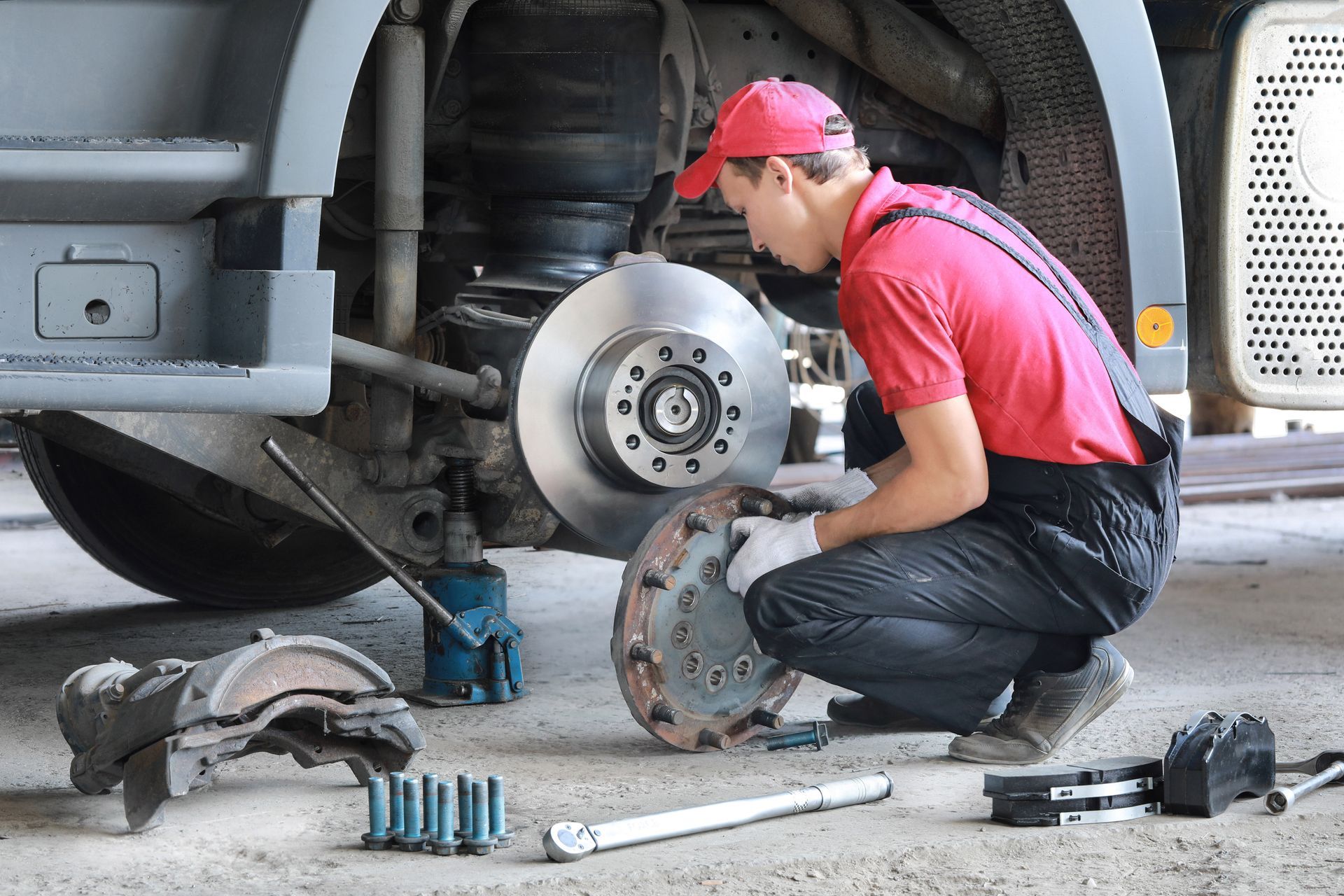
When a high-pitched squeal transitions into a deep, harsh grinding sound, catastrophic mechanical deterioration has arrived. This harsh rasping proves that friction lining material has completely vanished, leaving the steel backing plate to grind directly against the cast-iron rotor. Metal-on-metal friction generates extreme heat, gouging deep grooves into the disc and potentially seizing the hydraulic caliper piston. Furthermore, persistent clunking, clicking, or subtle hissing sounds point toward loose caliper retaining clips, detached anti-rattle springs, or compromised vacuum lines within the brake booster assembly. Immediate diagnostic scheduling prevents these violent metal disruptions from causing total system failure on the road.
Experiencing Unstable Structural Vibrations
Dynamic physical feedback through the vehicle cabin indicates severe rotor irregularities or hydraulic imbalances. When a driver presses the pedal from highway speeds and feels a rapid, rhythmic pulsing underfoot, the brake rotors have suffered lateral runout or thickness variation. Continuous thermal stress generated during heavy braking causes the rotor metal to warp unevenly across its cooling vanes. As the stationary caliper squeezes across alternating high and low spots, fluid pressure bounces backward through the hydraulic lines, generating an unsettling pulsation that directly lengthens emergency stopping distances.
Physical shaking often radiates beyond the pedal assembly, manifesting as sharp steering wheel tremors or violent chassis vibrations during deceleration. Front rotor warpage typically transmits through steering tie rods and suspension control arms, shaking the steering wheel violently in the driver's hands. Conversely, rear friction irregularities produce shuddering sensations that travel upward through the floor pan and vehicle seat frames. Prolonged operation under these unbalanced conditions causes accelerated wear on wheel bearings, steering knuckles, and suspension bushings. Resolving lateral runout early restores smooth vehicular deceleration and eliminates the structural stresses that compromise overall chassis integrity.
Responding to Dashboard Warning Illuminations
Modern computer networks continuously monitor hydraulic line pressures, sensor continuity, and friction fluid reservoirs to warn drivers of impending failures. When the red dashboard brake warning light illuminates during regular operation, the vehicle has registered an active mechanical anomaly. Common causes include a drop in hydraulic fluid below safe reservoir lines, unreleased parking brake switches, or a major hydraulic pressure imbalance between opposite diagonal circuits. Operating a car while the primary warning light remains active invites severe hydraulic fade and eventual pedal collapse during sudden stops.
Similarly, an illuminated Anti-lock Braking System indicator signals that computer-controlled skid prevention features have been disabled due to electronic malfunction. Faulty wheel-speed sensors, broken reluctor rings, or failing internal valve solenoids within the hydraulic control unit trigger this safety lockout. While base hydraulic braking often remains operational, the vehicle will no longer prevent catastrophic wheel lockup or directional skids during panic stops on slick pavement. Scheduling professional brake repair allows certified technicians to connect specialized diagnostic scanners, extract hidden trouble codes, and restore critical anti-lock safety features before slick seasonal weather arrives.
Managing Soft or Spongy Pedals
The physical resistance provided by the brake pedal delivers critical information regarding internal hydraulic system integrity. Under normal operating parameters, pressing the brake pedal results in firm, immediate resistance as incompressible fluid transmits hydraulic pressure to the calipers. If the pedal feels spongy, sinks slowly toward the floorboard, or requires repetitive pumping to slow the vehicle, the closed hydraulic loop has become compromised. This dangerous condition frequently stems from trapped moisture pockets boiling into vapor within boiling brake lines or air bubbles drawn into leaky bleeder valves.
Internal master cylinder failure also produces a slow, steady sinking pedal that threatens driver control at stoplights. When rubber piston seals wear out, pressurized brake fluid slips past internal valves instead of clamping down on the wheels, causing the vehicle to creep forward unexpectedly. Furthermore, old brake fluid absorbs ambient atmospheric moisture over time through rubber hose micro-pores, dropping its boiling point and causing internal corrosion inside steel fluid lines. Professional brake repair flushes out contaminated fluid, purges trapped air pockets, and replaces weeping hydraulic lines to reinstate immediate mechanical response at the pedal.
Correcting Dangerous Directional Vehicle Pull
A motor vehicle should track straight and maintain steady lane alignment during aggressive deceleration maneuvers. If the car pulls sharply toward the left or right when the brakes engage, an asymmetric braking condition exists between opposing wheel hubs. This hazardous pulling typically originates from a seized caliper slide pin or a stuck hydraulic piston that prevents one brake assembly from gripping its rotor properly. The vehicle pulls toward the side where the caliper operates correctly, forcing the driver to fight the steering wheel to avoid veering across lane dividers.
Directional pulling can also indicate uneven friction distribution caused by grease contamination, collapsed flexible brake hoses, or severely mismatched pad wear. A deteriorated rubber brake line can act like a one-way check valve, holding high hydraulic pressure against the caliper piston long after the driver lifts off the pedal. This lingering pressure drags the brake continuously, overheating the assembly, destroying fuel efficiency, and melting wheel-bearing grease. Professional brake repair isolates the malfunctioning caliper or collapsed fluid hose, rebalancing cross-axle clamping pressure so the vehicle stops straight, predictable, and fully under control.
Evaluating Burnt Odors and Hot Wheels
Chemical smells and intense heat radiating from the wheel wells indicate extreme mechanical distress that demands immediate evaluation. Heavy friction generates immense heat, but dragging brake shoes or jammed caliper slides elevate surface temperatures well beyond engineered safety tolerances. When friction components exceed maximum thermal ratings, the resin binders inside the friction pads vaporize, emitting a pungent, sulfurous odor reminiscent of scorched chemical materials. This dangerous overheating leads directly to friction fade, where the pads lose their ability to generate friction against scorching rotors.
Left unchecked, chronic overheating spreads outward to compromise expensive neighboring components across the wheel assembly. Extreme thermal radiation boils brake fluid inside the caliper, resulting in sudden, complete hydraulic pedal loss while driving. Simultaneously, excessive heat liquifies protective wheel bearing lubricants, damages rubber suspension dust boots, and ruins delicate wheel speed sensors. Scheduling timely professional brake repair clears seized caliper brackets, frees stuck sliding hardware, and restores proper component cooling before thermal stress damages the wheel hub assembly permanently.
When your automobile begins pulling across lanes, exhibiting pedal judder, or emitting harsh grinding sounds, avoid postponing critical safety servicing. For thorough multi-point safety evaluations, professional rotor resurfacing, hydraulic flushes, and durable component replacements, contact Expert Car Care LLC to keep your automobile running safely and reliably. Skilled automotive technicians utilize advanced diagnostic equipment and high-grade materials to pinpoint underlying mechanical faults and restore crisp, dependable stopping performance. Schedule your vehicle's comprehensive brake repair consultation today to ensure lasting safety, dependable performance, and total confidence on every journey.